Is Trading Gambling? Risk, Skill and the Difference Between the Two
When people search for “is trading gambling”, the useful answer starts with what the phrase actually promises—and what it does not. You are comparing two forms of financial risk, and the important distinction is how the activity is structured and how risk is understood JQK Malaysia. Some trading is based on asset ownership or hedging; highly leveraged speculation can still resemble gambling in behaviour and risk.
The answer depends on what kind of trading is being discussed and how the person is using it. Long-term investing, hedging and highly leveraged short-term speculation can all be called trading, but they carry very different purposes and risks. Behaviour and risk controls matter as much as the label.
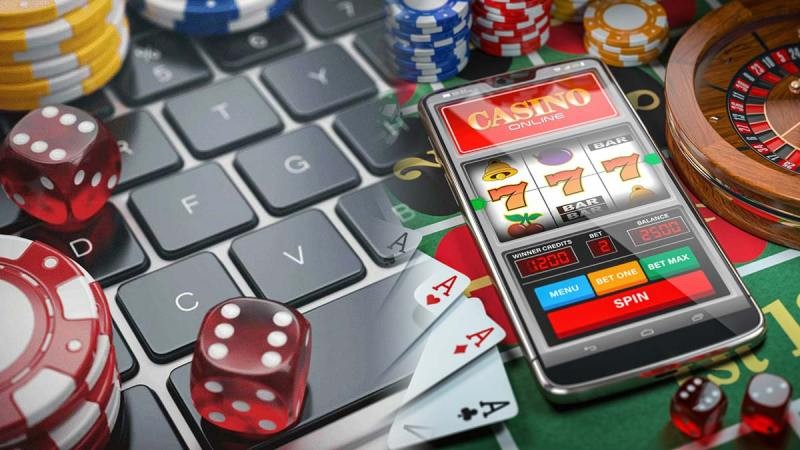
Compare the Underlying Activities
Traditional investing may involve ownership of an asset, cash flows or hedging a business exposure; casino bets are defined by specified wagering rules and uncertain outcomes JQK. Neither label removes risk. Highly leveraged short-term trades may produce losses that exceed a person’s comfort or, for some products, their initial outlay. Examine the actual product and incentives rather than arguing from the name alone.
Begin with verifiable information rather than a confident marketing adjective or an unsupported promise of winnings.
Traditional investing can involve ownership of an asset, dividends, cash flows or long-term participation in a business, while gambling is based on a wager with predefined rules and uncertain outcomes. Trading covers a much wider range of activities, from long-term portfolio rebalancing to highly leveraged short-term speculation. That means the label alone is not enough. The relevant questions are what is being bought, what risks exist, whether leverage is used and how decisions are made.
Look at Behaviour, Not Only the Label
Warning signs can include increasing stakes after a loss, compulsive price checking, using borrowed money, hiding activity or neglecting daily responsibilities. These patterns can be harmful in trading as well as betting. A written risk plan, position limits and independent financial information help clarify exposure, but they are not a substitute for professional support if control is being lost. Do not assume one successful trade validates a risky process.
Even when a product is legally classified as an investment, the behaviour around it can become gambling-like. Warning signs include chasing losses, increasing position size after a bad trade, using borrowed money, hiding activity and making rapid decisions mainly for excitement. Highly leveraged products can magnify both gains and losses. A written strategy, position limits and an understanding of downside risk are more important than whether someone casually describes the activity as trading or betting.
Account for Financial and Personal Costs
Losses can accumulate through repeated small bets and may affect essential spending, sleep, relationships or concentration. Easy access, fast payments and time-limited offers can make it harder to pause. If gambling is causing distress or leading you to chase losses, reducing access and seeking support matter more than selecting a supposedly better game. The right decision may be not to gamble at all.
If you are chasing losses or losing control, focus on protecting finances and seeking support rather than defending the activity’s name.
A disciplined financial decision considers probability, downside, time horizon, diversification and the possibility that the original thesis is wrong. Gambling products also involve probability, but they are structured as wagers rather than ownership or investment claims. In both cases, focusing only on the upside can encourage poor decisions. Before risking money, understand the maximum possible loss and whether that loss would affect essential expenses, debt obligations or long-term financial goals.

Trading and Gambling Are Structured Differently
Traditional investing can involve ownership of an asset, dividends, cash flows or long-term participation in a business, while gambling is based on a wager with predefined rules and uncertain outcomes. Trading covers a much wider range of activities, from long-term portfolio rebalancing to highly leveraged short-term speculation. That means the label alone is not enough. The relevant questions are what is being bought, what risks exist, whether leverage is used and how decisions are made.
What to check
If trading or betting becomes compulsive, interferes with sleep or work, causes secrecy or repeatedly leads to attempts to recover losses, the behavioural risk matters regardless of the product label. Reduce access, stop using borrowed funds and speak with a qualified financial or mental-health professional if control is becoming difficult. A useful distinction is not simply ‘trading versus gambling’ but whether the activity has a clear purpose, defined risk controls and a sustainable place in your finances.
Conclusion
So, is trading gambling does not have a one-word answer. Some trading is fundamentally different from gambling, while highly speculative behaviour can share many of the same psychological and financial risks. Look at the product, leverage, time horizon, decision process and behaviour around losses. If either activity becomes compulsive or threatens essential finances, reducing exposure and seeking qualified support is more important than debating the label.